

Rotimi-Akodu, speaks with VICTORIA EDEME about the strategies for addressing flooding and the cholera outbreak in the state.
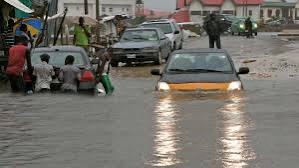
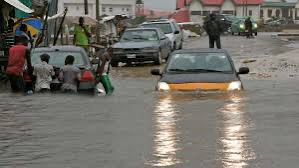
What strategies has the Lagos State Ministry of Environment implemented to address the issue of flooding during this rainy season?
As a state, the first strategy is an awareness campaign. Whatever you plan to do, the people must be involved. They shouldn’t be caught unawares. Previously, we sent out meteorological reports daily, but nobody paid attention. Now, we are taking a step further to explain what the reports mean and how to read and interpret them. Earlier this year, it was reported that precipitation would be slightly above average. For those living around the wetland areas of the state, which are prevalent, we have advised them to start moving. It’s a recurring event. Typically, every year they move when the floods arrive. Currently, the expected flood volume this year is unusual, making it potentially hazardous not to take notice. Therefore, we’re educating these residents that they shouldn’t wait for the usual cycle because there could be an unexpected surge. Additionally, we are making significant efforts to clear water paths, canals, and exit points that have often been blocked.
Furthermore, we plan to have a situation room so that if there’s rain and a flood, we can all coordinate across different areas and know what actions to take. Citizens would know how to protect themselves, the whereabouts of our personnel, and how to contact them in emergencies.
What areas in Lagos are flood-prone and why are they most affected by the downpour?
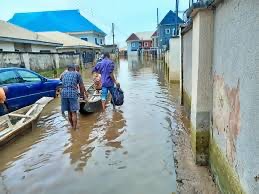
Lagos is a coastal state. We refer to it as a state of aquatic splendour, and we are determined not to turn that splendour into a nightmare. That’s why we’re making all of these efforts. We have many wetland areas. Some parts of Ogudu are very close to the water. Apart from the reclaimed and sand-filled areas, other residents living there are practically surrounded by water for almost nine months of the year. In Etiosa, aside from the reclaimed and sand-filled areas developed by the wealthy, other locals and disadvantaged people live directly in the water. The wetland areas are easily identifiable; their lands are consistently green with algae, fungi, and other aquatic plants. Some parts of the land are also sinking. Similar areas exist in Iyanaoworo and Badagry. Lagos is blessed with water, and we should aim to harness positivity from it.
Can you provide an update on the current status and effectiveness of the drainage systems across the state?
It was evident, though. There was a downpour for about 10 hours, and people became worried about the level of flood that came with it. But if you go and check those areas now, it seems like water never crossed that path. The reason is simple: the ministry has continued to do what is necessary. Floods will naturally come. When the rain stops, the water should drain off within three hours. If this doesn’t happen, something is wrong. It could be that the tidal level is still high or it’s still raining elsewhere, increasing the tidal level of the sea or water body.

For those persons whose buildings affect the drainage system in the state, what could have been done in the first place to prevent such buildings in those locations?
We are not going to evade responsibility. The government will not claim innocence. However, it is not entirely to blame because every structure on those setbacks was warned. There were multiple notices stating that the area was unsuitable for their activities and that the government would take action one day. However, due to population growth, people occupied these spaces and did as they pleased. They outnumbered the government personnel available. In the past, there was no technology. Now, we are starting to use artificial intelligence, which quickly detects encroachments. Previously, it was mainly physical. The military engaged informants to report illegal construction. By the time we intervened, people had already moved to another illegal site. When this persisted, the system failed. If we issue warnings and do not return for a few years, occupants believe they have a right to be there. We warn them immediately upon arrival, but out of desperation, they find a way to settle. If we issue a new notice, occupants argue why they should stay. This disrupts city planning. Now, we use electronic monitoring systems. Our EGIS provides detailed information and identifies houses under high tension or within our alignment. Artificial intelligence and electric solutions improve efficiency and effectiveness. Many issues involve recent arrivals lacking funds for better housing, settling near wetlands and canals. Some have children who feel entitled to the land. When the government announces projects, sentiment arises. People question why alternatives were not found earlier. How did they settle there initially? They believe the government is unaware and has no plan. Few understand these issues. Initially, encroachers should be prevented from settling.
Are there any compensations for those whose homes were demolished due to the buildings being on the drainage channels?
The word ‘compensation’ is highly legal and connotes entitlement. So we’re careful when using the word ‘compensation’. Sometimes, we say succour. The government may give them succour and it is our own decisions and not their right. We decide who we give to and what we will give. The property was illegally situated at the location in the first place, so why look for compensation? We filter through these issues so we don’t get ourselves into a mess, because the population is much.
Culled from Punch